

Summary: Learn what Florida’s “fast lane” really means and the legal speed limits that apply. We examine how to use it safely without risking citations or accidents.
The Distasio Details:
- The fast lane = the left lane (passing lane), not a speeding lane or separate speed zone.
- Florida law requires you to stay right unless passing.
- Interstate limits may reach 70 mph but must be “reasonable and prudent.”
- Going too slow in the left lane can still lead to citations.
- Safe, correct lane use can impact liability after a crash.

You’ve likely experienced it. A slow driver blocks you in the left lane. You also worry a trooper might stop you for passing too long.
Many Floridians like you ask themselves, “How fast can you go in the fast lane?” And the truth is: the left isn’t a speeding lane at all.
This guide aims to clear up confusion, enabling you to drive smarter, safer, and with fewer legal worries. These fast lane highway rules apply statewide in Florida.
What Lane is the Fast Lane in Florida, and Why Does it Matter?
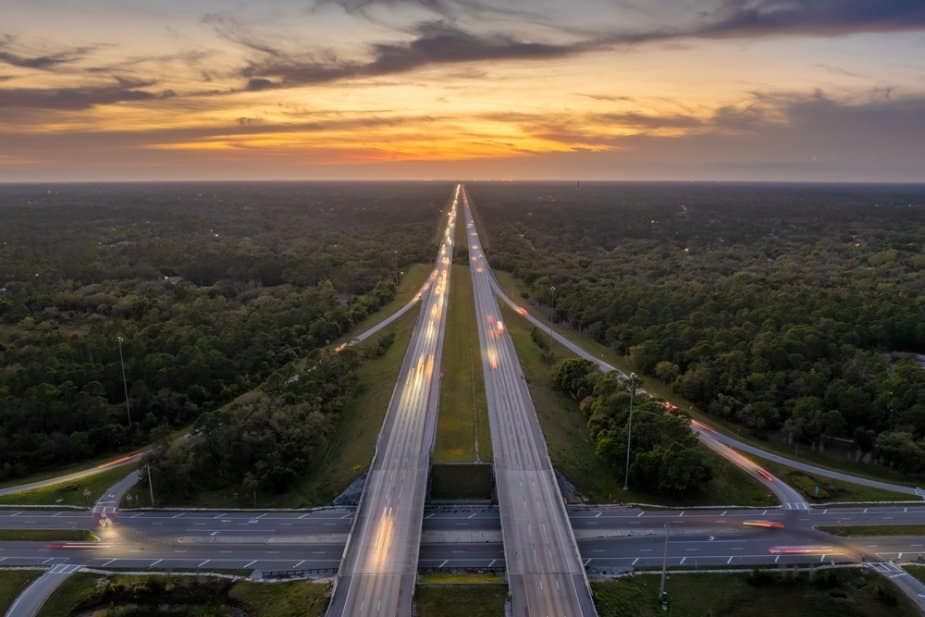
The “fast lane” usually refers to the leftmost lane on multi-lane highways. Drivers should use it for passing, not for cruising at higher speeds. Florida law here is clear: keep right unless passing.
The rule still confuses drivers. It often creates new questions. One example is whether you can stay left while driving at the speed limit.
Not in Florida. You may still face a citation for impeding faster traffic if cars stack up behind you.
The left lane is for overtaking only. Once you pass, move back right to keep traffic flowing smoothly.
For a free legal consultation , call (813) 259 0022
Florida Speed Limits in the Fast Lane: What Drivers Must Know
Posted Maximums
Florida’s Department of Transportation sets limits up to these ceilings:
- Interstates/limited-access highways: 70 mph
- Divided highways outside urban areas: 65 mph
- Other highways outside urban areas: 60 mph
- Urban streets: often 30 mph or less.
These numbers represent maximums under perfect conditions; they do not guarantee that you can always drive at this speed.
The Basic Speed Law
Florida’s basic speed law (Fla. Stat. § 316.183) says you must drive at a speed “reasonable and prudent” for conditions. That means slowing down if:
- Rain, fog, or traffic reduces visibility or traction.
- You approach curves, hills, school zones, or work zones.
Minimum Speeds
On highways with four or more lanes:
- The minimum is 40 mph.
- On 70 mph roads, the minimum raises to 50 mph.
This keeps traffic flowing safely and prevents road blockages.
How Fast Can You Go in the Fast Lane that’s Legal and Safe?
Another question that frequently crops up? How fast can you go in the fast lane without crossing the line into illegal speeding? Drivers often confuse this with the passing lane speed limit, but in Florida, the two are the same. The answer is simple: never above the posted speed limits.
For example:
- On I-95 or I-75 with a 70 mph limit, you may drive 70—no faster.
- If you move left to pass, you must return right after overtaking.
- Even at the limit, officers cite drivers who block faster traffic.
As we’ve mentioned, the left lane is a passing lane, not a speeding lane. Florida law makes no exception for exceeding the posted maximum in any lane.
Click to contact us today
Best Practices for Driving in Florida’s Fast Lane (Passing Lane Tips)
To avoid tickets and drive safely:
- Use the left lane for passing only. Merge back right after overtaking.
- Don’t block faster traffic. If cars line up behind you, shift over.
- Stay within posted limits. Adjust downward in poor weather or congestion.
- Observe minimums. Keep at least 40 mph (or 50 mph on 70 mph interstates).
- Respect special zones. Lowered school and work zone limits apply in all lanes.
- Drive courteously. Signal lane changes and maintain safe spacing.
Complete a Free Case Evaluation form now
Special Note on Carpool and Express Lanes
Florida’s carpool (HOV) lanes and express lanes may look different. The speed limit in every carpool lane section is still the posted limit. The speed limit in carpool lane sections manages traffic, not higher speeds. Treat them like any left lane: pass safely, follow signs, and avoid lingering if you slow traffic.
Safe Passing, Fewer Citations, Stronger Protection
The fast lane isn’t for speeding; it’s always for passing. By law in Florida, you can drive only the posted maximum speed, slow down for conditions, and must keep right when not overtaking. Using the lane correctly helps prevent frustration, reduces accidents, and protects your legal standing.
If a crash in Florida’s fast lane injures you or a loved one, you don’t need to face the legal system alone. Now is the time to act. At Distasio Law Firm, we’re committed to holding wrongdoers accountable and guiding injured drivers through recovery. Reach out to our Wesley Chapel car accident lawyers today to get answers and support right away.
Call or text (813) 259 0022 or complete a Free Case Evaluation form